
Baldur’s Gate 3 : Review

Baldur’s Gate 3 is the kind of game that appears only a few times in a generation. Developed by Larian Studios and officially released on August 3, 2023 (with console versions following shortly after), it represents the culmination of years of design philosophy centered on player freedom, systemic depth, and narrative consequence. While it carries one of the most revered names in role-playing game history, Baldur’s Gate 3 does not rely on nostalgia alone. Instead, it earns its place through sheer ambition, polish, and respect for the intelligence of its audience. Sponsored by https://brosgames.io
Background and Development
Larian Studios was already well-regarded for its work on the Divinity: Original Sin series when it took on the Baldur’s Gate license. Expectations were understandably high. The studio spent nearly three years in early access, allowing players to test systems, provide feedback, and observe the game’s evolution in real time. Rather than using early access as a marketing tool, Larian treated it as a genuine development phase, reworking mechanics, rewriting dialogue, and improving performance based on player response.
The result is a game that feels unusually complete at launch, especially by modern standards. Bugs exist, as they do in any game of this scope, but they rarely undermine the experience. More importantly, the design feels intentional, cohesive, and deeply considered.
Setting and Core Premise
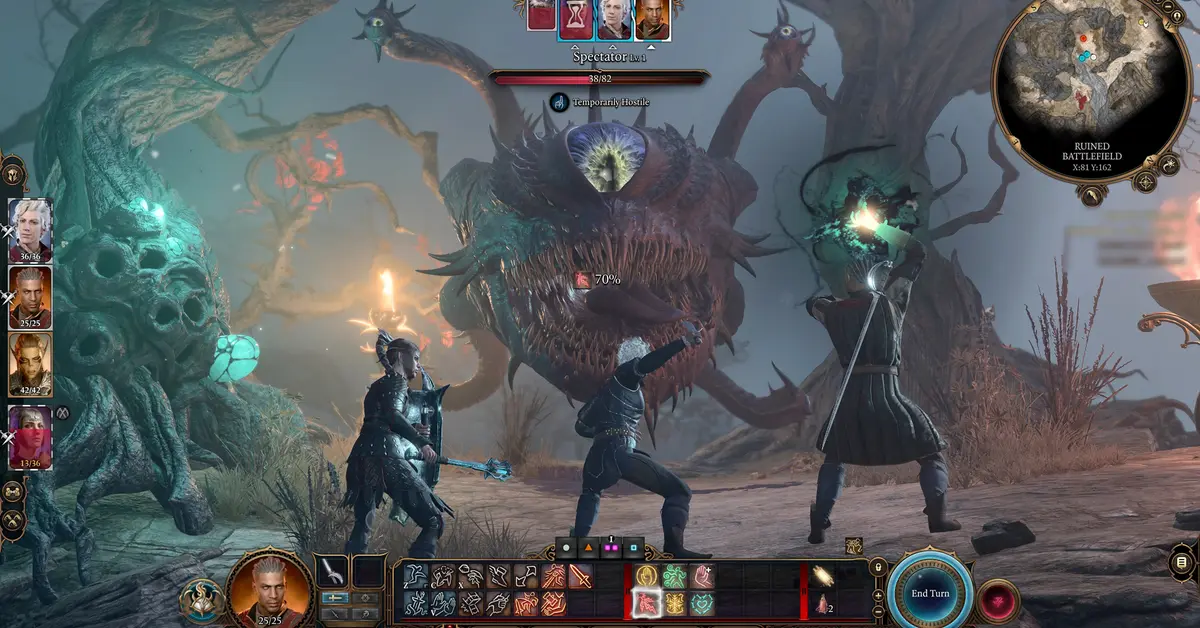
Baldur’s Gate 3 is set in the Forgotten Realms, the iconic Dungeons & Dragons universe. The story begins with the player character being abducted by mind flayers and implanted with a parasitic tadpole capable of transforming them into one of these monstrous beings. Rather than serving as a simple countdown timer, the parasite becomes the central narrative device, influencing character interactions, moral decisions, and long-term consequences.
From this starting point, the game opens into a sprawling adventure filled with branching paths, political intrigue, and deeply personal stories. The central plot provides direction, but it rarely restricts player choice. Whether you resolve conflicts through diplomacy, deception, brute force, or creative exploitation of game systems is entirely up to you.
Role-Playing Freedom and Player Choice
What truly sets Baldur’s Gate 3 apart is the sheer breadth of meaningful choice. Dialogue options are not cosmetic; they reflect character backgrounds, class abilities, racial traits, and past decisions. A bard can charm their way out of danger, a barbarian can intimidate through raw presence, and a rogue can manipulate situations through deception.
Failure is just as important as success. A missed roll or poor decision often leads to new story branches rather than a reload screen. This philosophy encourages players to accept outcomes rather than chase perfection, reinforcing the idea that the story belongs to them, not to an optimal path.
The game’s use of dice rolls, drawn directly from Dungeons & Dragons rules, adds unpredictability without feeling arbitrary. You always understand why something happened, even when it goes wrong.
Combat and Gameplay Systems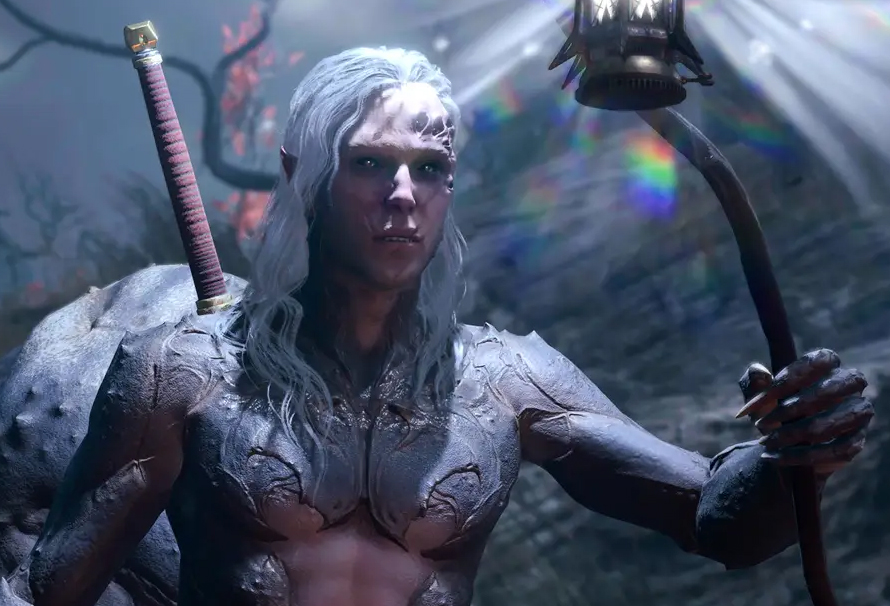
Combat in Baldur’s Gate 3 is turn-based and tactical, built faithfully around D&D 5th Edition mechanics. Positioning, environmental awareness, and creative use of abilities matter far more than raw statistics. High ground provides advantages, surfaces like fire or poison can be manipulated, and almost every encounter can be approached in multiple ways.
What makes combat especially engaging is how well it integrates with the environment. Explosive barrels, destructible structures, and interactive objects are not gimmicks; they are core tools. A clever player can turn the battlefield itself into a weapon.
Outside of combat, exploration is richly rewarding. Hidden areas, optional quests, and environmental puzzles are scattered throughout the world. The game rarely relies on obvious markers, encouraging players to pay attention to their surroundings and follow curiosity rather than instructions.
Companions and Character Writing
The companion characters in Baldur’s Gate 3 are among the most fully realized in modern RPGs. Each has a personal storyline that unfolds gradually, influenced by player choices and relationship dynamics. These are not static quest dispensers but complex individuals with their own motivations, flaws, and moral boundaries.
Relationships develop organically. Approval is influenced not only by dialogue choices but by actions taken throughout the game. Romance, rivalry, and betrayal are all possible outcomes, and none feel forced or superficial.
Voice acting deserves special mention. Every major character is fully voiced, and performances are consistently strong. The writing avoids excessive exposition, allowing personalities to emerge naturally through interaction.
Graphics and Presentation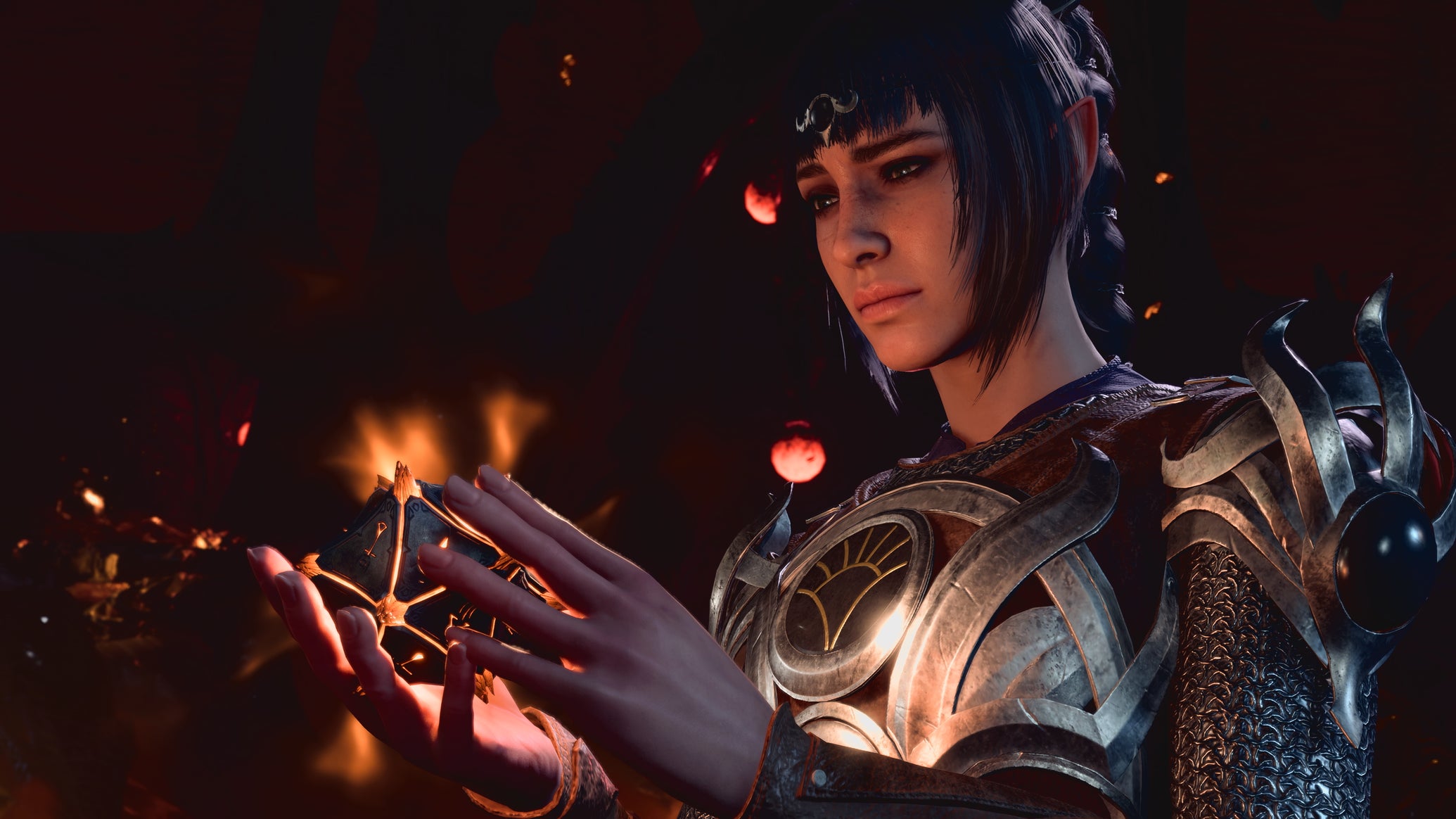
Visually, Baldur’s Gate 3 strikes a careful balance between realism and stylization. The environments are detailed and atmospheric, from lush forests and underground ruins to bustling city streets. Character models are expressive, and facial animations convey subtle emotional shifts during conversations.
The isometric camera is flexible, allowing players to zoom in for cinematic dialogue or pull back for tactical combat. This adaptability helps bridge the gap between narrative immersion and gameplay clarity.
On PC, the game supports a wide range of graphical options, making it accessible to both high-end and mid-range systems. Console versions on PlayStation 5 and Xbox Series X perform well, with stable frame rates and minimal compromises.
Audio and Music
The soundtrack complements the game’s tone beautifully, shifting from subtle ambient tracks during exploration to dramatic orchestral pieces in key moments. Music enhances emotional beats without overpowering them.
Sound design is equally strong. Spell effects, environmental sounds, and combat feedback are clear and satisfying. Voice acting, as mentioned earlier, elevates nearly every scene.
Game Modes and Replayability
Baldur’s Gate 3 is primarily a single-player experience, but it also supports cooperative multiplayer. Players can experience the entire campaign together, making decisions collaboratively or independently. This mode adds replay value and offers a very different dynamic compared to solo play.
Replayability is exceptionally high. Different character builds, moral alignments, party compositions, and narrative choices can lead to dramatically different outcomes. Even multiple playthroughs can reveal content missed previously.
System Requirements (PC)
Minimum requirements include a modern quad-core CPU, 16 GB of RAM, and a mid-range GPU. An SSD is strongly recommended due to the game’s size and streaming needs. Recommended specifications provide smoother performance, particularly in later acts with more complex environments.
The game is demanding but well-optimized given its scope.
Strengths and Weaknesses
Baldur’s Gate 3’s greatest strength is its commitment to player agency. Few games offer this level of narrative reactivity and systemic depth. Its writing, characters, and combat systems work together seamlessly.
Its primary weakness lies in its complexity. Newcomers to turn-based RPGs or Dungeons & Dragons may feel overwhelmed at first. The final act, while still strong, can feel denser and more demanding than earlier portions.
Verdict
Baldur’s Gate 3 is a monumental achievement in role-playing game design. It respects its roots without being constrained by them, delivering an experience that feels both classic and modern. Through meaningful choice, deep systems, and exceptional writing, it sets a new standard for what RPGs can achieve.